The Environmental and Human Rights Costs of China’s Clean Energy Investments Abroad
The Environmental and Human Rights Costs of China’s Clean Energy Investments Abroad
China’s increasing investments in clean energy projects abroad have raised concerns about the…
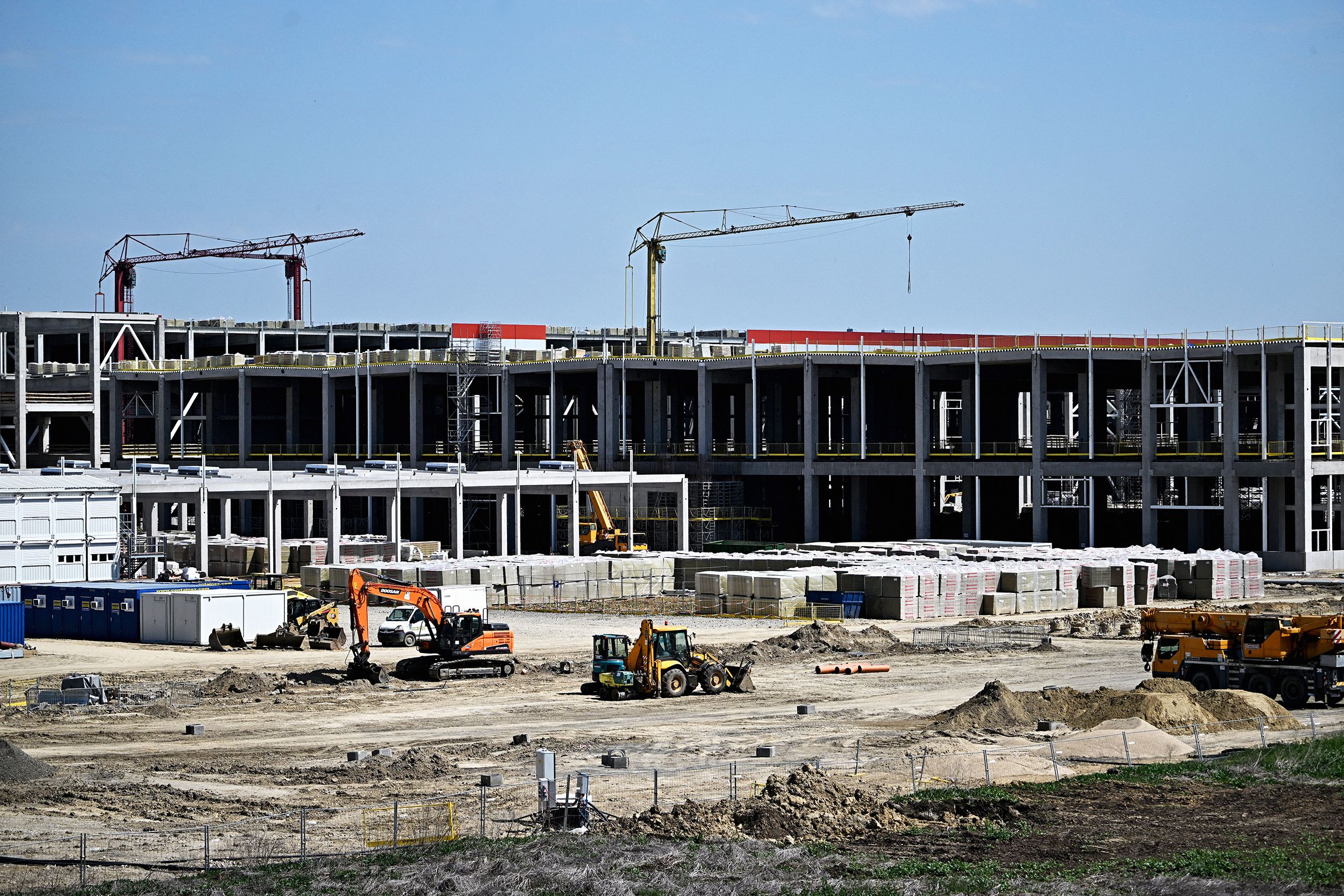
The Environmental and Human Rights Costs of China’s Clean Energy Investments Abroad
China’s increasing investments in clean energy projects abroad have raised concerns about the environmental and human rights costs associated with these ventures. While clean energy technologies hold promise for reducing greenhouse gas emissions and combating climate change, the manner in which these projects are implemented can have significant negative impacts on local communities and ecosystems.
One of the main criticisms of China’s clean energy investments abroad is the lack of transparency and accountability in the decision-making process. Local communities often have little say in the planning and implementation of these projects, leading to land grabs, displacement of indigenous populations, and environmental degradation.
Furthermore, China’s focus on securing natural resources for its energy needs can contribute to human rights abuses in countries where these investments are made. Mining operations, dam construction, and other infrastructure projects associated with clean energy can lead to forced labor, violations of indigenous rights, and exploitation of vulnerable populations.
In addition to the social and human rights concerns, there are also environmental consequences of China’s clean energy investments abroad. Large-scale hydropower projects, for example, can disrupt river ecosystems, alter natural water flows, and threaten biodiversity. Solar panel manufacturing facilities can produce toxic waste and create pollution that harms local communities and ecosystems.
It is important for China to address these environmental and human rights issues in its clean energy investments abroad. This can be done through increased transparency, meaningful consultation with local communities, respect for indigenous rights, and adherence to international environmental standards.
By taking these steps, China can ensure that its clean energy investments contribute to sustainable development, protect human rights, and mitigate the environmental impacts of climate change.